

How to Pick Trees That Thrive in Your Yard and Local Weather
Choosing the right trees for your landscape and climate starts with knowing your soil, your weather patterns, and your available space. The best tree is one that can handle your heat, cold, wind, and rainfall without constant stress. When you match the tree to your environment, it grows stronger, needs less care, and adds lasting beauty to your yard.
What You Need Before Getting Started
Before you begin any tree planting project, gather a few key details about your property. This helps you avoid costly mistakes.
- Your hardiness zone and average winter low temperature
- Soil type, such as clay, sand, or loam
- How much sunlight the area gets each day
- How much space is available for roots and branches
- Nearby structures like sidewalks, driveways, or power lines
You can find your hardiness zone with a quick online search. Soil can be tested with a simple home kit. These small steps make a big difference in long-term success.
Step-by-Step Guide to Selecting the Right Tree
Once you have basic site details, follow these steps to narrow your options.
- Pick the purpose. Do you want shade, privacy, flowers, or fruit?
- Choose trees suited for your climate zone.
- Match the tree’s sunlight needs with your yard.
- Check mature height and width.
- Research root behavior and growth rate.
For example, if you want shade near a patio, look for a wide-canopy tree that handles your local summers. If your yard is small, skip large species that could crowd fences or rooftops.
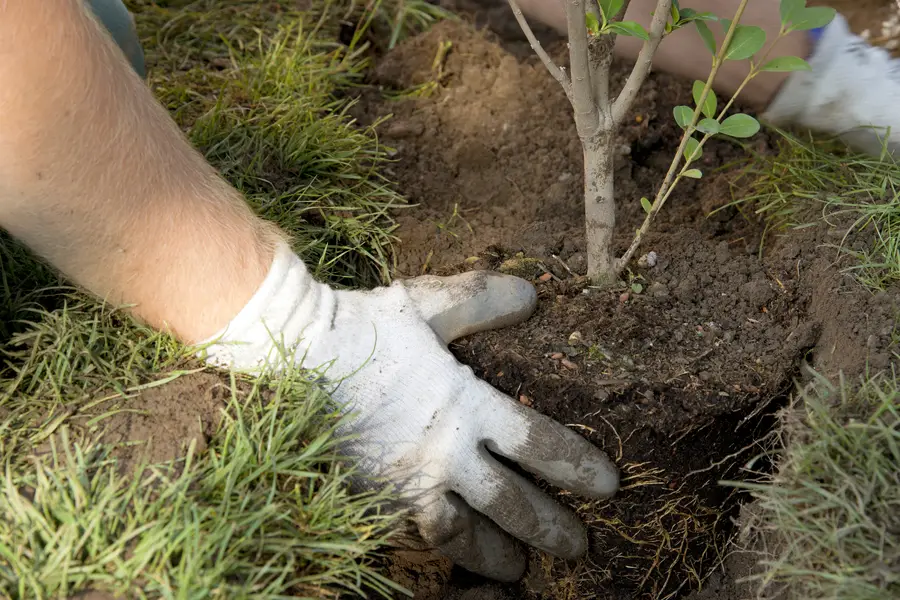
Proper tree planting also matters. Even the right species can struggle if planted too deep or in compact soil. Good placement and soil prep give your new tree a strong start.
Common Mistakes to Avoid
Many homeowners pick trees based only on looks. That often leads to regret later. Here are mistakes to watch for:
- Planting large trees too close to the house
- Ignoring root spread near pipes or foundations
- Choosing fast-growing trees that have weak wood
- Planting species that cannot handle local temperature swings
- Forgetting about long-term maintenance needs
A tree that grows fast may break easily in storms. A tree that loves cool weather may suffer in long, hot summers. Think about how the tree will perform 10 or 20 years from now.
Matching Trees to Different Yard Conditions
Different yards call for different solutions. Here are some practical examples.
If your soil stays wet after rain, look for trees that tolerate moisture, such as river birch or certain maple varieties. If your yard is dry and sunny, drought-tolerant species like some oaks may work better.
For windy areas, choose trees with strong branch structure. In colder climates, pick species that can survive late freezes without heavy damage.
When planning tree planting near driveways or sidewalks, consider roots that grow deeper instead of spreading wide along the surface. This helps reduce cracking and lifting over time.
When to Call a Professional
Some projects are simple. Others need expert input. You may want help if:
- You are planting several trees at once
- Your property has grading or drainage issues
- You are unsure about soil quality
- You want trees placed near structures
- You are adding trees as part of a larger landscape project
A professional can help with species selection, spacing, and proper tree planting methods. This reduces risk and saves time. It also helps protect your investment as trees mature.
Make a Smart Choice for Long-Term Growth
The right tree adds shade, beauty, and value to your property. The wrong tree can lead to damage, extra yard work, and removal costs. In Pine Hills, FL, climate and soil conditions can vary from one neighborhood to another. At Tree Service by Estuardo, we help property owners choose and install trees that fit their goals and growing conditions. If you are planning a tree planting project, call (407) 588-9387 and let us help you create a landscape that will grow strong for years to come.