

Smart and Safe Ways to Keep Your Yard Trees Healthy
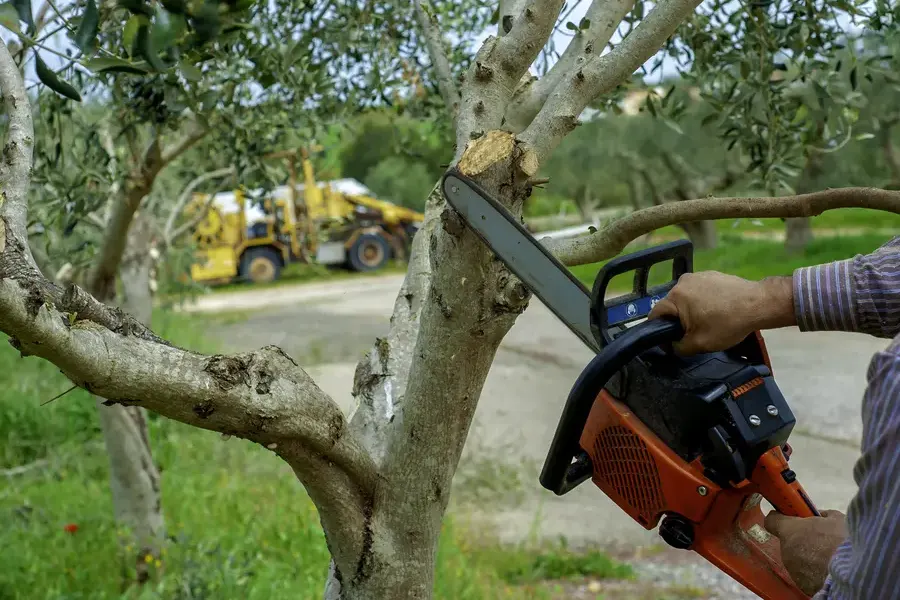
Tree trimming practices for residential properties focus on keeping trees safe, healthy, and shaped the right way. The goal is to remove weak or overgrown branches without harming the tree. Good trimming helps trees grow strong, allows more sunlight into your yard, and lowers the risk of falling limbs. When done on a regular schedule, it also improves how your property looks and feels.
Why Prevention Matters for Residential Trees
Many homeowners wait until a branch breaks before calling for help. By then, damage may already be done. Preventive tree trimming keeps small problems from turning into big ones. Dead limbs can fall during storms. Low branches can scrape roofs or block walkways. Thick growth can trap moisture and lead to rot.
Routine care gives you more control. It also protects your home, cars, and nearby power lines. Healthy trees add shade and value to residential properties. Keeping them trimmed is one of the easiest ways to avoid costly repairs later.
Early Warning Signs Your Trees Need Attention
You do not need to be an expert to spot common issues. Walk your yard and look closely at each tree. Pay attention to the way branches grow and how the leaves look.
- Dead or hanging branches
- Cracks in large limbs
- Branches touching the roof
- Limbs growing toward power lines
- Thick growth blocking sunlight
- Mushrooms or rot near the base
If you notice one or more of these signs, it may be time for tree trimming. Acting early keeps the tree balanced and safer during storms.
Seasonal Checklist for Regular Care
Different seasons call for different trimming tasks. Following a simple yearly plan makes care easier.
- Late winter: Trim most shade trees while they are dormant. This helps shape growth before spring.
- Spring: Lightly prune small branches and remove any winter damage.
- Summer: Cut back fast-growing limbs and clear branches away from structures.
- Fall: Remove weak or dead limbs before winter storms arrive.
Not all trees follow the same schedule. Flowering trees may need trimming right after they bloom. If you are unsure, ask a trained crew for advice. Good timing supports strong growth and reduces stress on the tree.
Best Practices for Long-Term Results
Proper tree trimming is about technique, not just cutting branches. Poor cuts can harm bark and slow healing. Clean, sharp tools matter. So does knowing where to cut.
Follow these best practices:
- Remove no more than 25 percent of the canopy at one time
- Cut just outside the branch collar, not flush with the trunk
- Start with dead, damaged, or crossing branches
- Keep the tree’s natural shape
- Disinfect tools between trees to prevent disease spread
It also helps to step back and look at the tree from different angles. A balanced shape allows wind to pass through more easily. This lowers the chance of storm damage. Over time, careful trimming builds a strong branch structure that supports healthy growth.
What Not to Do When Trimming Trees
Some trimming habits can cause long-term harm. One common mistake is topping. Topping cuts off large sections of the canopy and leaves stubs behind. This often leads to weak new growth that breaks easily.
Avoid these errors:
- Cutting large limbs without proper support
- Using dull or dirty tools
- Climbing high without safety gear
- Removing too many live branches at once
- Ignoring young trees until they become overgrown
Tree care should support the health of the plant, not just change its shape. Simple, careful work done at the right time makes a big difference for residential properties.
When to Schedule Professional Help
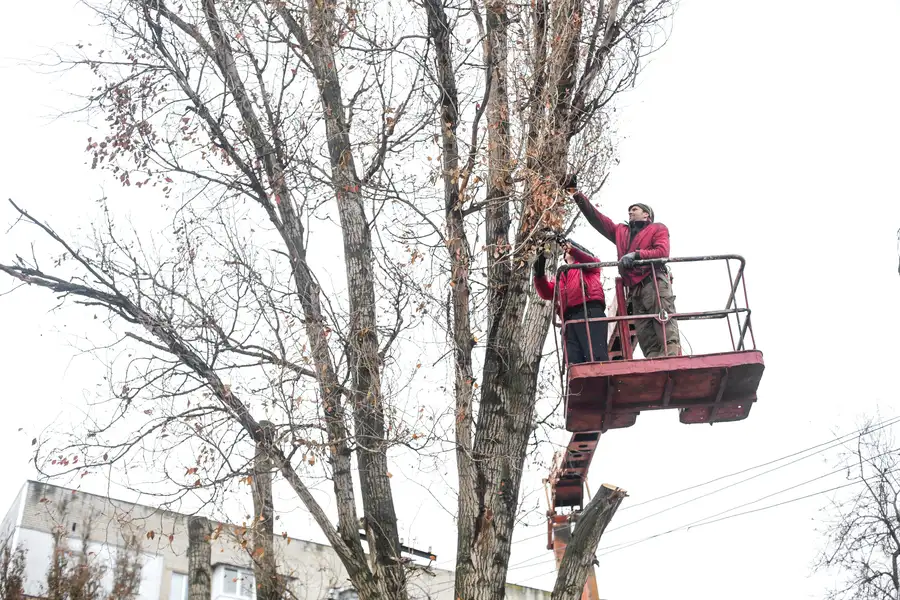
Some jobs are too risky for a ladder and a hand saw. Large trees, heavy limbs, or branches near power lines should always be handled by trained crews. Professionals use safety equipment and follow proper cutting methods.
You may also want expert help if:
- The tree leans after a storm
- You see signs of disease or decay
- The tree is very tall or near structures
- You are unsure how much to remove
Regular inspections coupled with skilled tree trimming protect both your trees and your home. A trusted team can create a care plan that fits your yard and long-term goals.
Get Reliable Help for Your Property
If you live in Pine Hills, FL, healthy trees need steady care throughout the year. At Tree Service by Estuardo, we provide safe and professional tree trimming that supports strong growth and reduces risk around your home. Our team works carefully on residential properties and brings the right tools for every job. Call (407) 588-9387 today to schedule a visit and let us help keep your trees in great shape.