

Dead and Infected Trees Can Quickly Become Dangerous and Spread Damage
Why tree removal is essential for diseased or dying trees comes down to safety, property protection, and stopping the spread of decay. A sick or dead tree is weak. It can drop heavy limbs, fall without warning, or infect nearby healthy trees. Taking action early helps prevent costly damage and lowers the risk of injury.
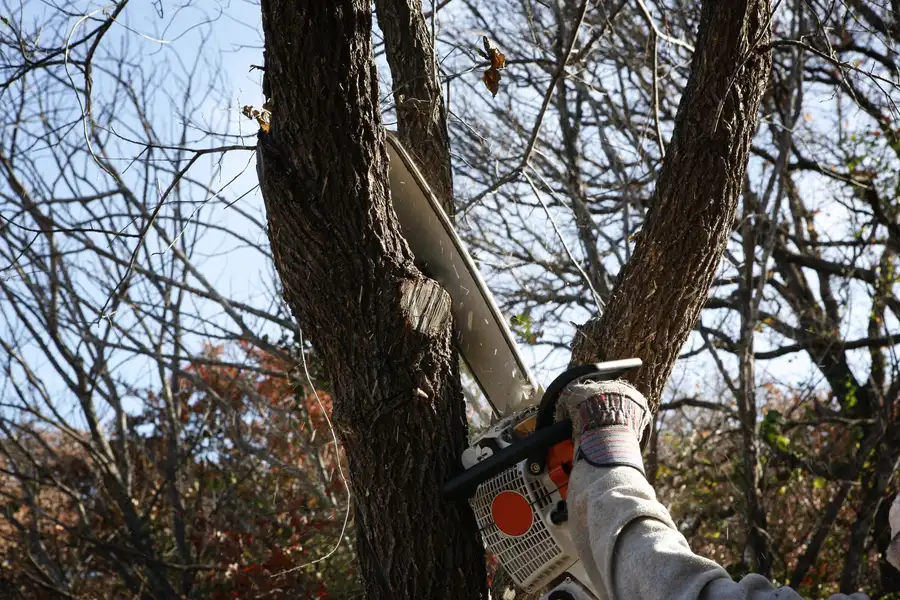
Quick Diagnosis Summary
If a tree has large dead branches, peeling bark, fungus growth, or leaning that was not there before, it may be dying. In many cases, the safest and most responsible solution is tree removal. Once disease or rot takes over the trunk or roots, the tree often cannot recover.
Ignoring the problem gives decay time to spread. The longer you wait, the greater the risk to your home, vehicles, and people nearby.
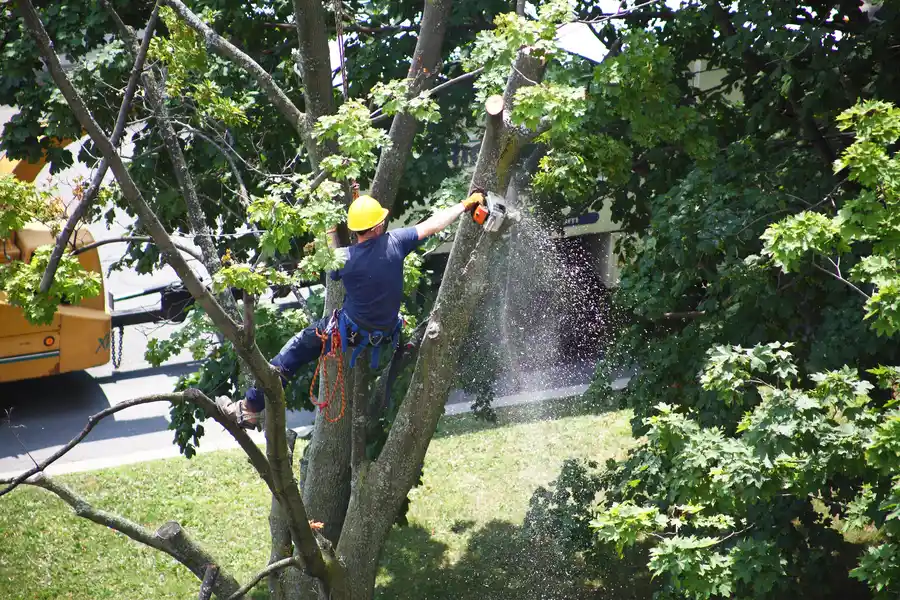
Common Symptoms of a Diseased or Dying Tree
Not all tree problems are easy to spot. Some signs are clear, while others take a closer look. Watch for these warning signs:
- Large cracks in the trunk
- Mushrooms or fungus growing at the base
- Soft or crumbly wood
- Major limb dieback
- Hollow sections in the trunk
- Sudden leaning
- Leaves that fall too early or fail to grow
If more than one of these signs is present, the tree may be past the point of saving. At that stage, tree removal is often the safest step.
Likely Causes Behind the Decline
Trees can die for many reasons. Some causes happen slowly over years. Others occur fast after a storm or root damage.
Common causes include:
- Fungal infections that attack the roots or trunk
- Insect infestations that weaken the wood
- Severe storm damage
- Soil compaction that limits root growth
- Construction damage to underground roots
Once decay reaches the core of the tree, the structure becomes weak. Even if the tree still has some green leaves, it may no longer be stable.
What to Check First
Before making a decision, take a careful look at a few key areas:
- Inspect the base of the tree for fungus or soft spots.
- Look up into the canopy for dead or hanging limbs.
- Check for cracks running vertically along the trunk.
- Gently push smaller branches to see if they snap easily.
If the trunk is solid and damage is limited to small branches, pruning might help. But if the trunk is hollow, split, or rotting, tree removal is usually the safer choice.
Safe Fixes Versus Professional-Level Fixes
Some minor tree issues can be handled with trimming and basic care. For example, removing a few dead limbs may improve the tree’s health if the trunk and roots are still strong.
However, removal becomes necessary when:
- The main trunk is decayed
- The tree leans toward a structure
- Large limbs hang over a roof or driveway
- Root damage makes the tree unstable
Taking down a large tree is not a simple weekend project. It involves heavy sections, sharp equipment, and careful planning. A mistake can lead to serious injury or property damage. Professional crews have the training and tools to handle the job safely.
Prevention Tips for the Future
While some trees cannot be saved, many issues can be prevented with regular care.
Here are smart habits that help trees stay healthy:
- Schedule regular inspections
- Trim dead or weak branches early
- Avoid piling soil against the trunk
- Protect roots during construction
- Watch for early signs of pests or fungus
Catching problems early can extend a tree’s life. But when a tree is too far gone, tree removal protects the rest of your landscape and nearby structures.
Protect Your Property and Landscape
A dying tree is unpredictable. One heavy storm can bring it down. Even without strong wind, rotten limbs can fall at any time. Removing a hazardous tree clears space for new growth and reduces risk around your home.
Many homeowners feel unsure about removing a large tree. It may have been in the yard for decades. But when safety is at risk, removal is often the responsible decision.
Get Reliable Help With Hazardous Trees
If you have a tree in Pine Hills, FL that looks diseased or unstable, we can help you decide on the safest next step. Our team at Tree Service by Estuardo handles tree removal with care and attention to detail, using proper equipment to protect nearby structures and landscaping. Call us at (407) 588-9387 to schedule an inspection and let us help you create a safer outdoor space.